Osteopenia is low bone mass below normal density but not low enough to be classified as osteoporosis. It’s diagnosed with a DXA scan, not by how someone feels, which is exactly the problem. There’s no pain, no warning sign, nothing that would prompt someone to get checked. Many people find out only after a fracture from a fall that shouldn’t have caused one.
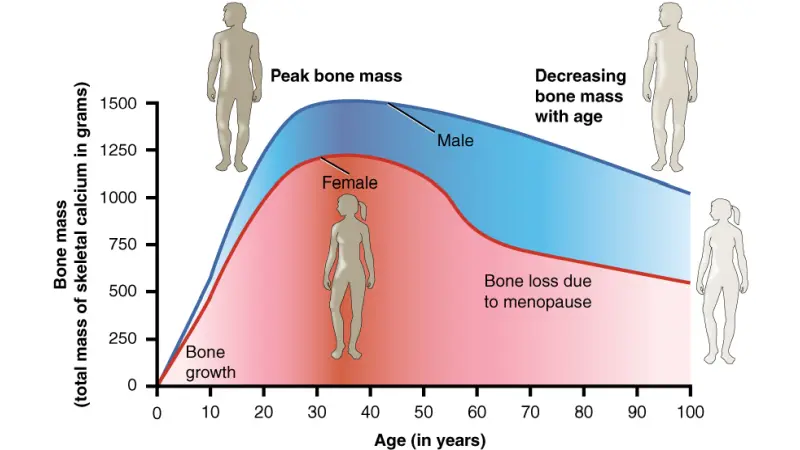
Bone density peaks in early adulthood and then declines gradually. The decline speeds up around menopause for women and continues more slowly but steadily in men. Like most aging-related processes, this is a continuum rather than a switch that flips at a specific age. Risk factors like family history, a thin build, smoking, and low body weight matter more than any single birthday.
What Actually Slows the Loss
A joint position statement from Korean bone and exercise societies concludes that a combination of resistance and impact exercise is the most effective non-drug strategy for slowing bone loss and reducing fracture risk in people with osteopenia or osteoporosis. This isn’t a small effect size dressed up as promising. A controlled trial using a structured strength training protocol found a statistically significant 1.82 percent increase in bone mineral density over six months in women with osteopenia or osteoporosis, while the non-exercising control group saw no meaningful change.
Impact matters here in a literal sense. Bone responds to mechanical loading, and walking alone, while genuinely useful for balance and pain, produces a smaller density signal than resistance or impact-based movement. A 2026 network meta-analysis found that light-to-moderate walking meaningfully improves pain, gait speed, and daily function in postmenopausal women with osteopenia, but the density gains from aerobic exercise alone are modest compared with programs that include loading.
What If a Fracture Already Happened
For people who’ve already had a low-trauma fracture, the priority shifts slightly. A trial testing a program combining weighted vest exercise with patient education in postmenopausal women with a healed wrist fracture found improvements in quadriceps strength and balance, both of which matter more for preventing the next fall than bone density alone does.
The Honest Caveat
Exercise and adequate calcium and vitamin D intake are the foundation of managing osteopenia, but they don’t reverse significant bone loss the way medication can. For people at meaningfully elevated fracture risk, bisphosphonates and other drug therapies are more effective at slowing loss than lifestyle changes alone, and some trials have directly compared bone-loading exercise programs against these medications specifically because the two aren’t interchangeable. This is a conversation to have with a doctor based on individual risk, not something to resolve with a workout plan alone.
The reasonable takeaway: if there are risk factors, ask about a bone density scan rather than waiting for a fracture to prompt one. And whatever the scan shows, resistance and impact training are worth doing anyway, since fall prevention and muscle strength matter regardless of bone density numbers.
Related Links
- Exercise guidelines for osteoporosis management
- Strength training and bone density in postmenopausal women
- Osteopenia overview from StatPearls
- Exercise timing and postmenopausal bone health
- Weighted vest program after wrist fracture
- Bone-loading exercise versus medication trial protocol