Grip Strength as a Longevity Marker: Real Signal or Overhyped Metric?
Grip strength has become a favorite talking point in longevity circles, often described as a better mortality predictor than blood pressure. That claim traces back to real research. What gets lost in translation is what the research’s own authors said about how far that finding should be pushed. The Study Behind the Claim The Prospective … Read more


Vitamin B12 and Exercise Performance: Does More Actually Help?

Vitamin B12 shows up constantly in sports nutrition marketing, usually attached to promises about energy, endurance, and recovery. The underlying biology is real. B12 is essential for red blood cell production and nervous system function, and a deficiency genuinely impairs exercise capacity. The part that gets stretched is what happens once someone already has enough. … Read more

Standing Desks and Treadmill Desks: Do They Meaningfully Offset a Sedentary Day?

The health risks of prolonged sitting are well documented, and they don’t fully go away just because someone also exercises regularly. Research has found that total sitting time predicts mortality independent of physical activity level, meaning a person who sits eight hours a day and also runs in the morning still carries some of that … Read more

Returning to Exercise After Pregnancy: What Does the Evidence Actually Support?

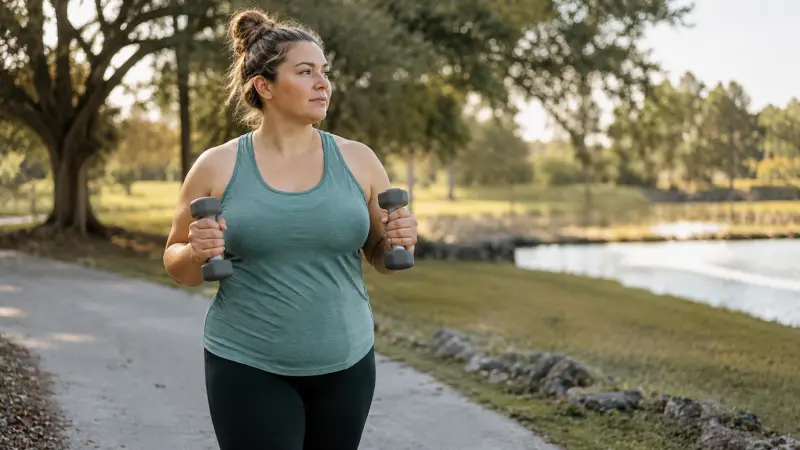
Woman holding weights on a walk

The standard advice many women receive is that six weeks postpartum marks the point of being cleared for exercise. A scoping review of postpartum guidelines found this figure repeated often, but also found the guidance behind it was frequently vague about what kind of activity is actually appropriate at that point, as opposed to simply … Read more

What Really Happens When You Stop Weight-Loss Injections?

A recent documentary followed several people through the experience of starting, and eventually stopping, GLP-1 weight-loss injections. Their stories varied, but a common thread ran through them: starting the drug was straightforward. Deciding whether, when, and how to stop was not. That question is becoming relevant to a lot of people. A 2026 study from … Read more

Do “Super Shoes” Actually Make Runners Faster?

feet running on payment with running shoes

Since carbon-plated racing shoes became widely available in 2017, they’ve been credited with a wave of broken world records, from the 5K up through the marathon. The shoes combine a stiff curved plate with thick, energy-returning foam. The question that matters for anyone deciding whether to spend $200 or more on a pair is how … Read more

Is Wearable Tech Actually Changing How People Exercise, or Just How They Track It?

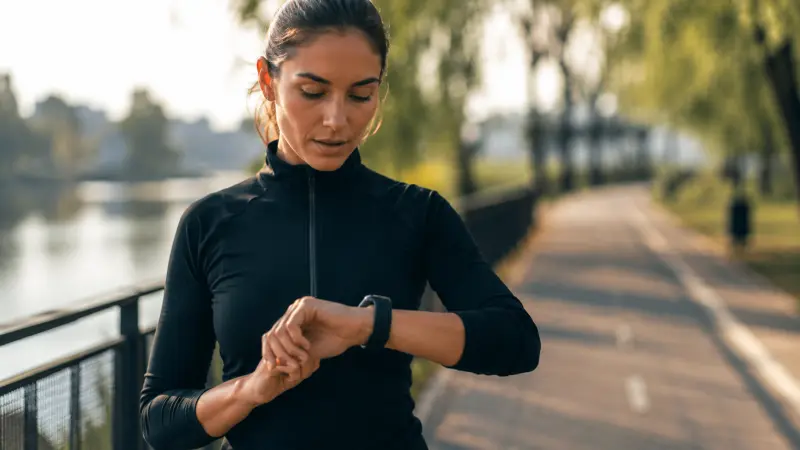
Woman checking her wearable tech

Wearable technology was named the top fitness industry trend for 2026 in the American College of Sports Medicine’s annual survey of clinicians and exercise professionals. That popularity raises an obvious question: does wearing a tracker actually change how much people move, or does it just measure what they were already doing? The Case That It … Read more

Static Stretching Before a Workout: Helpful, Harmful, or Irrelevant?

Middle aged man stretching

Static stretching before activity has been promoted since the early 1980s as a way to prevent injury and prepare the body for exercise. It’s one of the most widely followed pieces of fitness advice, and also one of the more overstated ones. The Performance Question A large meta-analysis pooling 104 studies found that static stretching … Read more

Osteopenia: The Silent Bone Loss Nobody Notices Until a Fracture

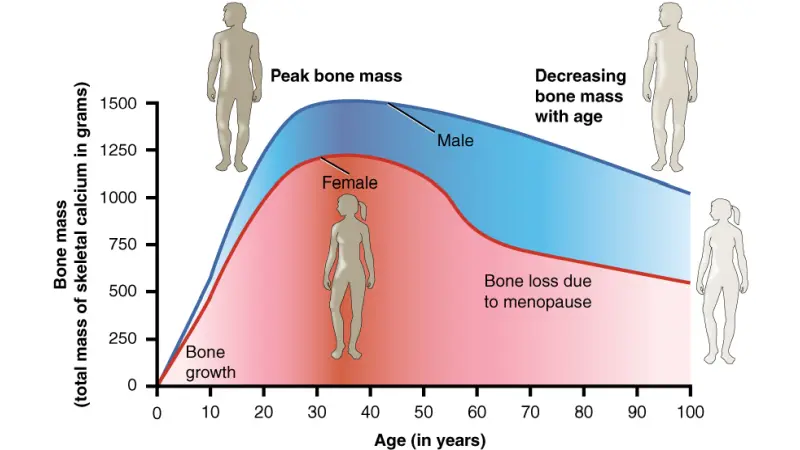
Osteopenia is low bone mass below normal density but not low enough to be classified as osteoporosis. It’s diagnosed with a DXA scan, not by how someone feels, which is exactly the problem. There’s no pain, no warning sign, nothing that would prompt someone to get checked. Many people find out only after a fracture … Read more

The Protein RDA Debate: Why Many Researchers Say the Standard Is Too Low for Older Adults

Older man surrounded my proteins

The protein RDA of 0.8 grams per kilogram of body weight has been the reference number for decades. It shows up on nutrition labels, in dietary guidelines, and in most online protein calculators. A 2026 review in Frontiers in Nutrition argues that number was never built for the question people actually care about as they … Read more