The “Limited Heartbeats” Idea, Tested: What the Research Actually Shows
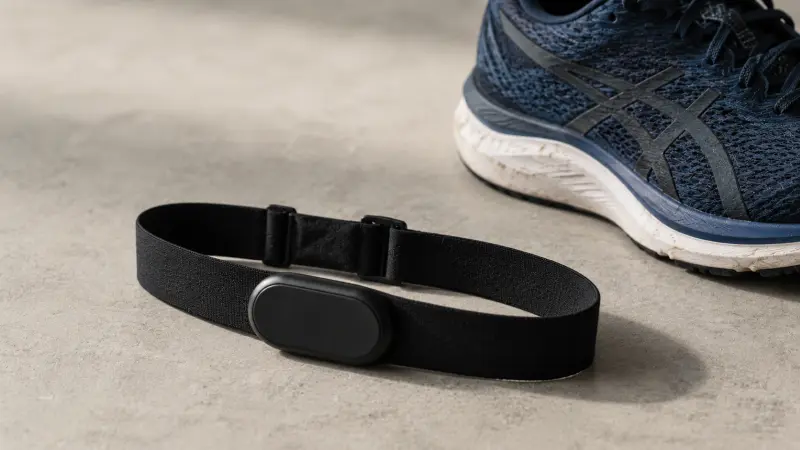
biotracking device on the ground

The idea shows up periodically in casual conversation and occasionally in public statements from prominent figures: the heart is allotted a fixed number of beats over a lifetime, and vigorous exercise spends that allotment faster, meaning intense training could shorten life rather than extend it. It is intuitive in a mechanical, battery-life sort of way. … Read more


The Yo-Yo Dieting Fear, Reassessed: What a Major 2026 Review Found

A scale on a floor

The fear is common and specific: lose weight, regain it, and you will end up worse off than if you had never tried, a damaged metabolism, lost muscle, a body primed to store fat more aggressively next time. This idea, often called yo-yo dieting or weight cycling, has shaped both public attitudes and clinical caution … Read more

What a Week Without Food Actually Does to the Human Body

A lonely glass of water

A study published in Nature Metabolism in May 2026 tracked what happens inside the body during seven days of water-only fasting, and the findings clarify something that had been more assumed than demonstrated: that fasting produces a distinct biological state, not just a longer version of skipping a meal, and that this state does not … Read more

The 30-Minutes-a-Week Exercise Claim: What It Actually Means

man sprinting

A claim has circulated widely in the past couple of months: 30 minutes of high-intensity exercise per week, roughly 4 to 5 minutes a day, can meaningfully improve health. It sounds almost too convenient to be true, which is usually a signal to look at what the underlying research actually says rather than the headline … Read more

Stanford Scientists Regrew Cartilage in Mice. Here’s What That Does and Doesn’t Mean

anatomy of cartilage

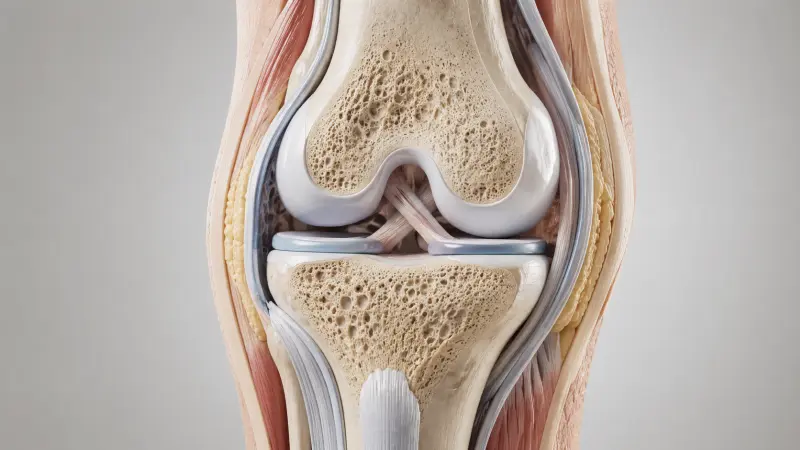
Osteoarthritis has no cure. Current treatment manages pain and, eventually, replaces the joint. That is the backdrop against which a June 2026 study from Stanford Medicine drew significant attention. The findings are genuinely notable. They are also, at this stage, about mice and lab tissue, not people, and the gap between those two things is … Read more

Jump Ropes: A Guide to the Different Types and What to Look For

Several Jump Ropes

A jump rope costs less than a month’s gym membership, fits in a jacket pocket, and can be used on a patch of concrete outside your front door. It is also one of the most metabolically demanding pieces of equipment available — ten minutes of continuous jumping produces cardiovascular work roughly equivalent to thirty minutes … Read more

The Home Gym Question: Is Building Your Own Space Worth It?

The home gym has been a serious fitness option for decades, but it took a global pandemic to bring it into the mainstream conversation. What emerged from that period — supply shortages, creative DIY solutions, and a lot of people discovering they actually preferred training at home — has grown into a genuine subculture with … Read more

Exercise Is Underused as a Cancer Treatment Tool — and New Research Is Changing That

For most of the history of cancer medicine, the advice given to patients during treatment was to rest. The logic seemed obvious: the body is under severe physiological stress, chemotherapy and radiation are exhausting, and pushing patients to exercise while managing these demands appeared counterproductive at best and dangerous at worst. That consensus has been … Read more

What GLP-1 Weight Loss Drugs Mean for Exercise and Muscle Mass

Pill bottle next to dumbbells

GLP-1 receptor agonists — semaglutide (Ozempic, Wegovy), tirzepatide (Mounjaro, Zepbound), and related medications — have changed the landscape of weight management. Their efficacy is real and well-documented. But as tens of millions of people worldwide now use these drugs, a body of evidence is building around a problem that is not always flagged in the … Read more

Exercise Rivals Therapy for Depression: What a Major Cochrane Review Actually Found

Man walking in a park from behind

A Cochrane review carries specific weight in the evidence hierarchy. Cochrane reviews are systematic meta-analyses that attempt to synthesise all available high-quality randomised trial evidence on a clinical question, applying rigorous methodology to minimise bias. When one lands on the question of exercise and depression — and finds that exercise reduces depressive symptoms to a … Read more